Toronto 1966 Metropolitan Plan
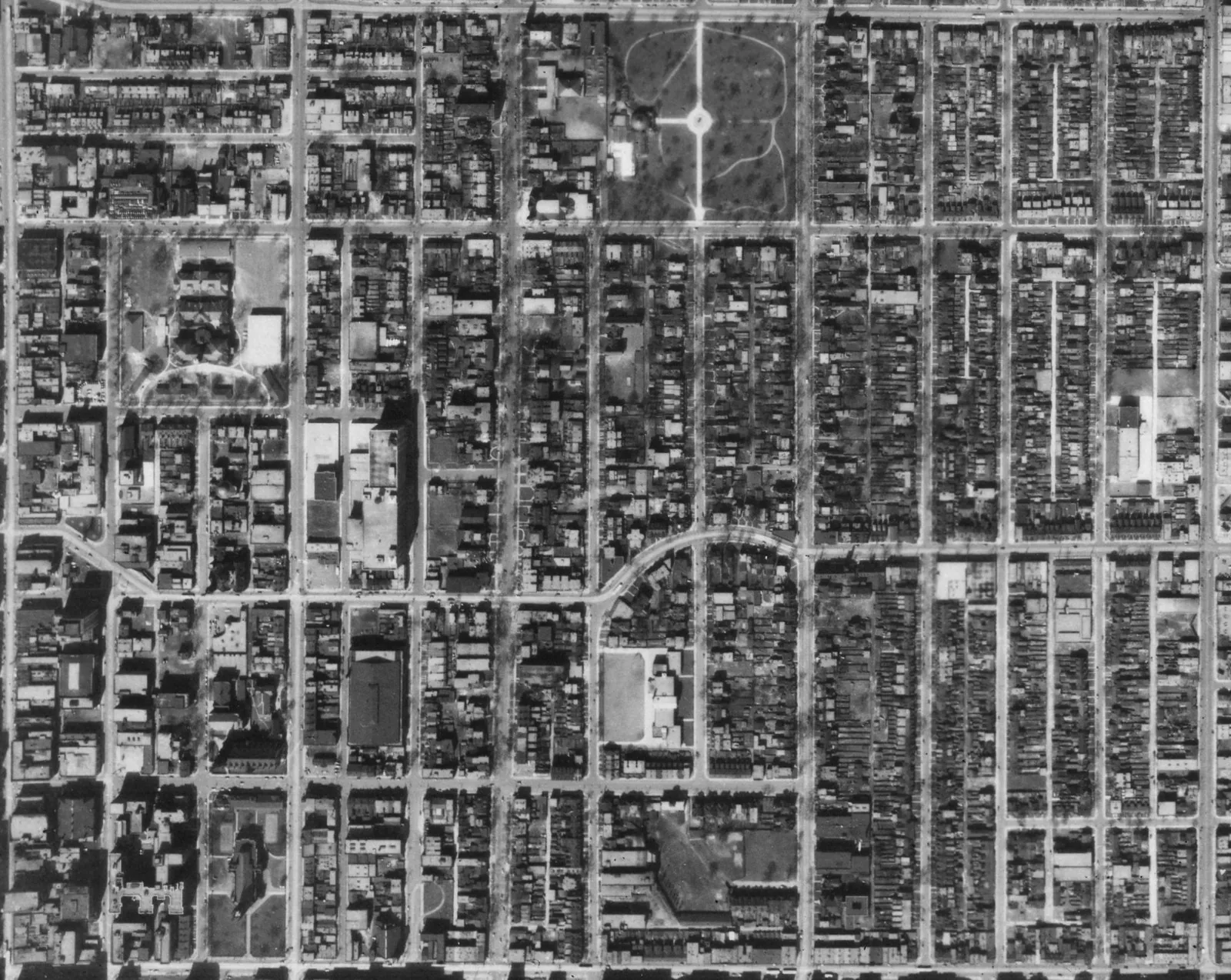
Core idea
Subway-spine centers strategy
Why it matters
Polycentric transit urbanism model
Description
The 1966 plan for Metropolitan Toronto, prepared by the Metro Toronto Planning Board, set a development framework for the federated metropolis created in 1953. Its central strategy tied urban growth to the new subway system, promoting a hierarchy of suburban centres along transit spines, coordinated arterial and expressway networks, and apartment concentrations near stations rather than uniform low-density sprawl.
Significance
The plan is an early North American articulation of polycentric, transit-oriented metropolitan structure, at a moment when most of the continent was planning around the car. It underpinned Toronto's distinctive pattern of high-rise clusters along subway lines and subcentres such as North York, and it is frequently cited as a precedent for later transit-oriented development and regional centres policies.
What shaped it
- The metro / underground railway (1863)
- The Death and Life of Great American Cities (1961)
- The master plan (early 20th c.)
Plans it influenced
- Vancouver Livable Region Strategic Plan (1996)
- Greater Golden Horseshoe Greenbelt (2005)
- Toronto Official Plan 2002/2019 (2002/2019)
- Toronto Regent Park Revitalization (2005–)
Sources
- https://neptis.org/publications/chapters/metropolitan-planning
- https://digital.library.yorku.ca/node/42487