Derde Nota over de Ruimtelijke Ordening (Third Memorandum, incl. Verstedelijkingsnota)
Core idea
Introduced the 'groeikernen' (growth-centres) policy.
Why it matters
Built designated growth towns such as Zoetermeer, Almere and Houten.
Description
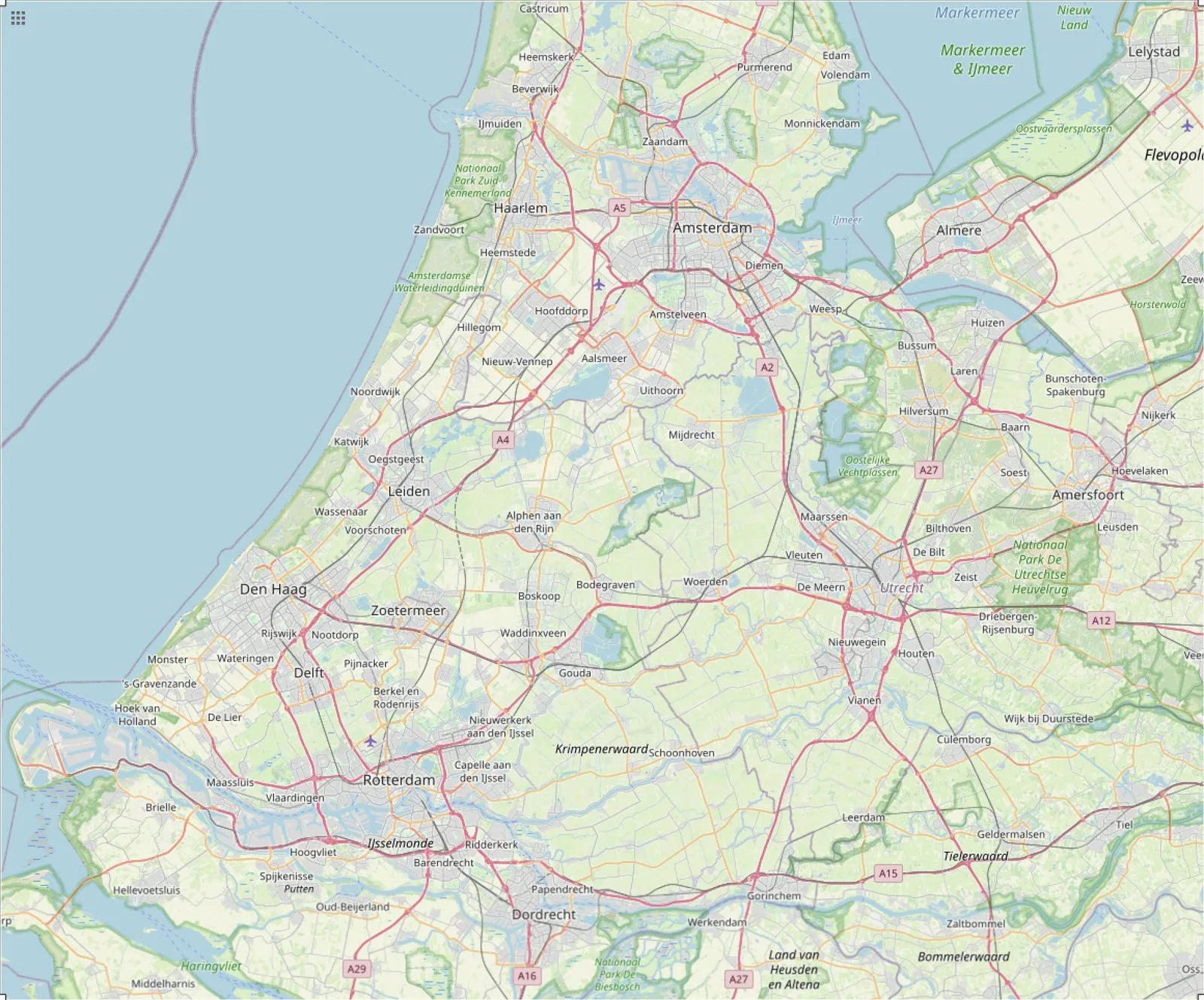
The Derde Nota over de Ruimtelijke Ordening was issued in three parts, the Oriënteringsnota of 1973 and the Verstedelijkingsnota and Nota Landelijke Gebieden of 1976–1977. Influenced by contemporary debates on the limits to growth, it combined concern for sustainability, welfare and urban renewal with the most influential strand of the policy, the designation of groeikernen or growth-centres. These were smaller towns selected to absorb overspill from congested major cities, relieving pressure on places such as Amsterdam, The Hague and Utrecht while protecting the Green Heart from uncontrolled expansion. Settlements including Zoetermeer, Nieuwegein, Purmerend, Houten and the new polder town of Almere were developed under this designation.
Significance
The Third Memorandum translated the doctrine of clustered deconcentration into a concrete building programme, directing housing growth into designated growth-centres and producing some of the best-known new towns of the late twentieth-century Netherlands. Its growth-centre policy reshaped the Randstad's settlement pattern and remains a defining episode in Dutch new-town planning.
What shaped it
- The 1973 oil shock (1973–74)
- The master plan (early 20th c.)
- New Towns Act (1946)
- Garden Cities of To-Morrow (1898 / 1902)
Plans it influenced
- VINEX (1991)
- Almere (1976–)
- Vierde Nota over de Ruimtelijke Ordening (Fourth Memorandum on Spatial Planning) (1988)
Sources
- https://www.gebiedseconomie.nl/content/v/verstedelijkingsnota-1976
- https://www.cbs.nl/nl-nl/longread/diversen/2025/tijdlijn-woningvoorraad/overzicht-nota-s-ruimtel