Splintering Urbanism (Graham & Marvin)
What it is
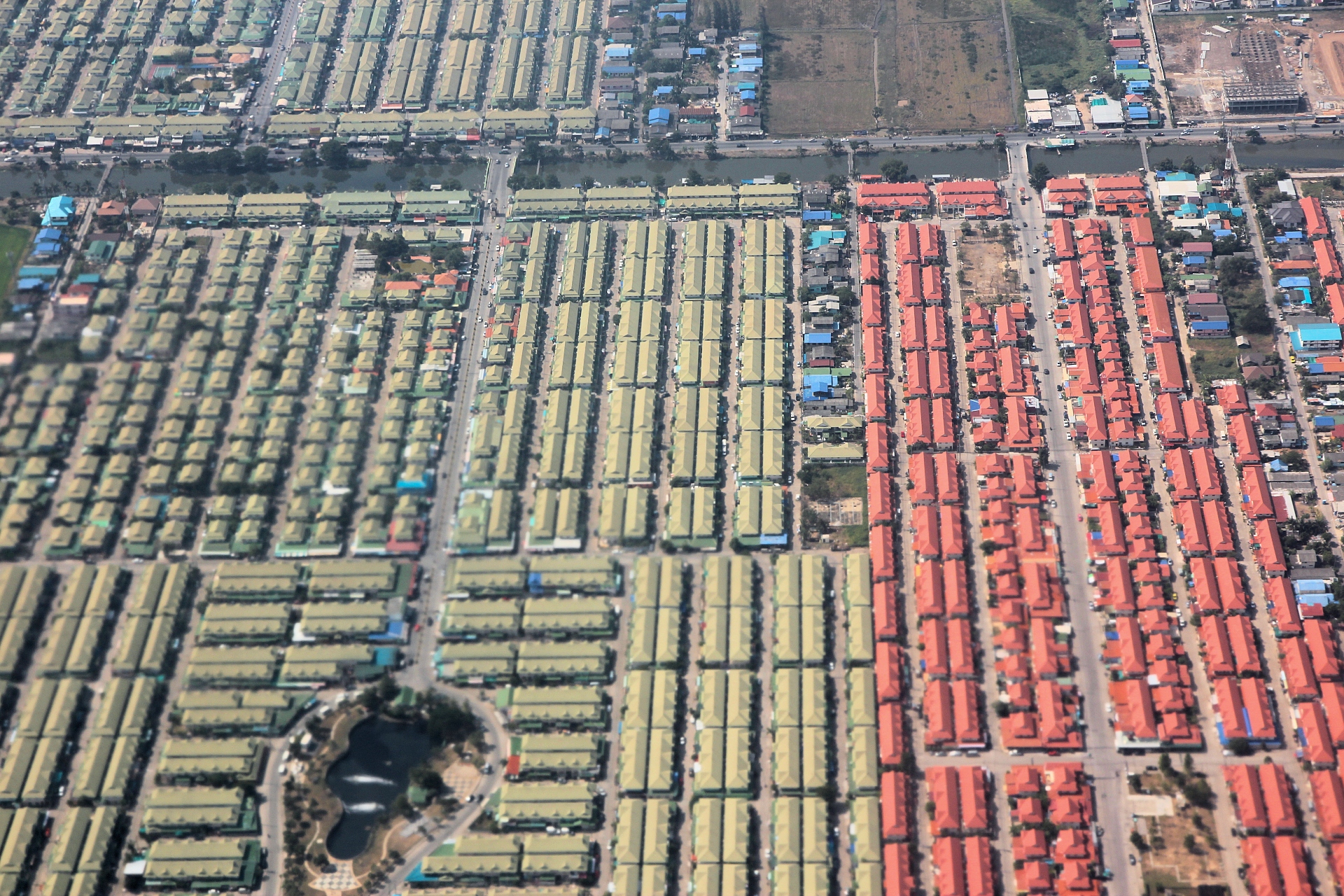
In Splintering Urbanism (2001), Stephen Graham and Simon Marvin argued that the privatisation and liberalisation of infrastructure were fragmenting the modern integrated city. They described how networks of water, power, transport and telecommunications were being unbundled to serve favoured users and premium enclaves while bypassing poorer areas. This produced a patchwork of differentiated zones rather than the universal networked city promised by twentieth-century planning. The book combined infrastructure studies with urban theory across cities in both rich and poor countries.
Why it matters
It showed how infrastructure shapes urban inequality, founding a major line of work on networked cities and infrastructural politics. The idea of splintering captured the unbundling of services that produces gated, premium and bypassed urban zones.
Plans it shaped
- Marseille Euroméditerranée (1995–)
- Ho Chi Minh City Thu Thiem New Urban Area (1996–)
- Dubai Marina Masterplan (2000–)
- Downtown Dubai Masterplan (2000s–)
- Dubai Business Bay Masterplan (2003–)
- Yas Island Masterplan (Abu Dhabi) (2006–)
- Johor Iskandar Malaysia (2006–)
- Lusail City Masterplan (Qatar) (2006–)
- Kuwait Madinat al-Hareer (Silk City) Plan (2006–)
- King Abdullah Financial District (KAFD), Riyadh (2006–)
- Diyar Al Muharraq (Bahrain) (2006–)
- GIFT City, Gandhinagar (2007–)